 Impossible Fibers
Impossible Fibers
Impossible Fibers
Spiders, mussels and velvet worms keep fiber proteins unreacted until the right time and place. We're building the same strategy as microfluidics: encapsulated spinning dopes.
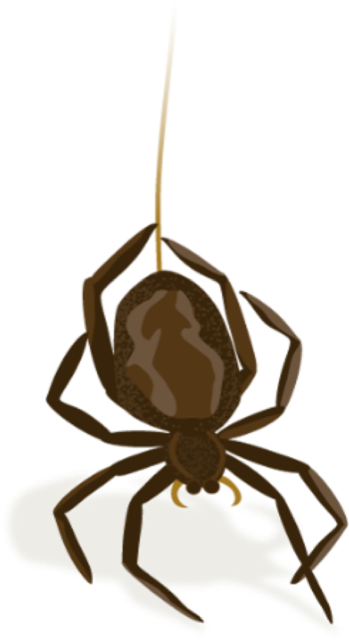
silk proteins held in micelles
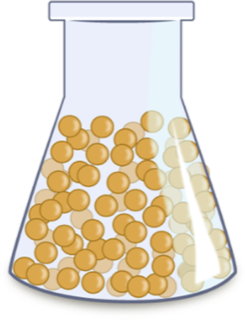 Storage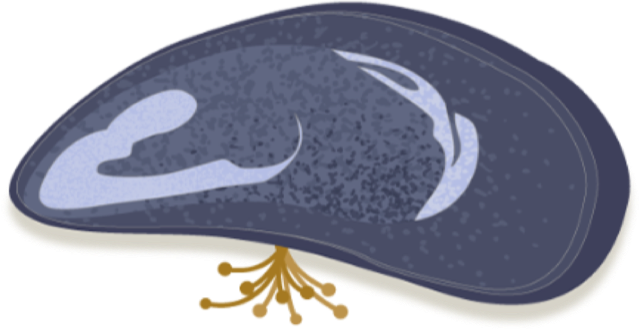
proteins packaged in secretory vesicles
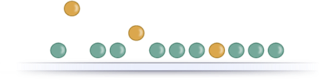 Storage + sequencing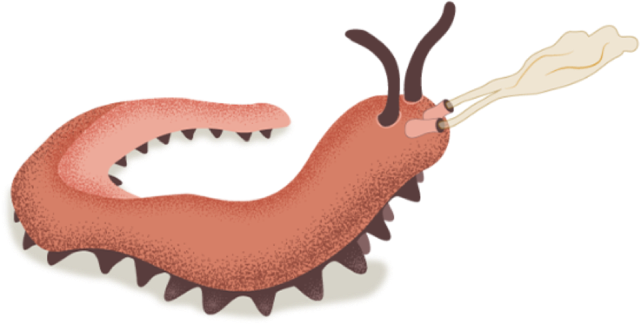
proteins stored in nanoglobules
 Triggered delivery
Illustrations © Gretchen Hooker / Pixel Naturalist
Scroll the figure sideways →
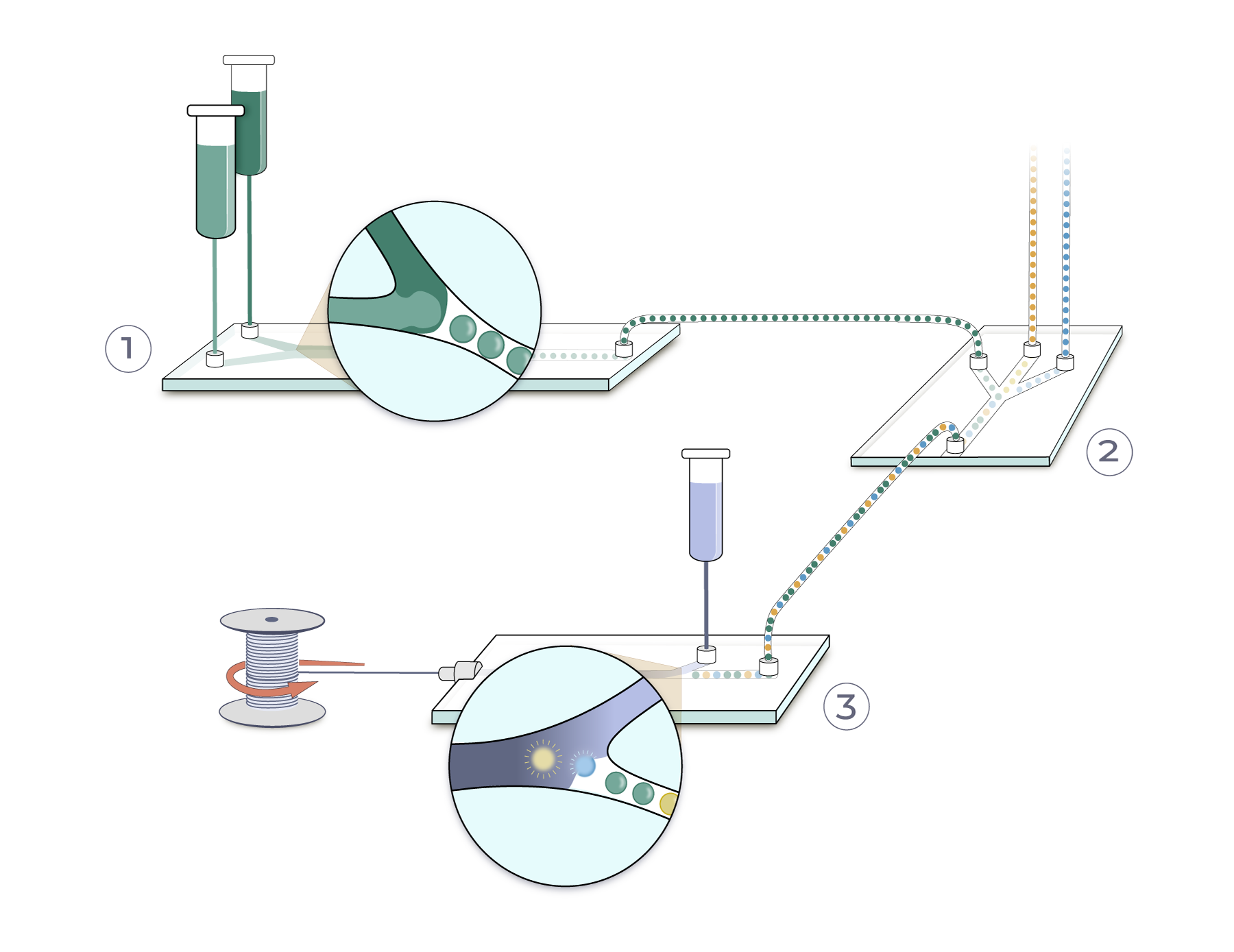
Scroll the figure sideways →
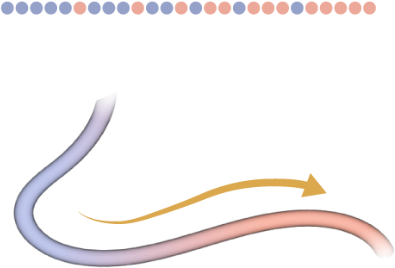 Gradienttendon repair · robotic tendons · composite layups
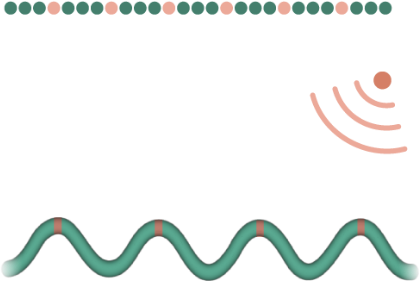 Periodicstructural color · metamaterials · biomineralized
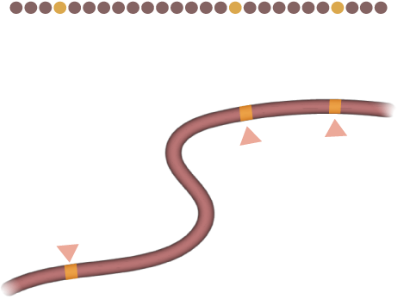 Localizedstimuli-responsive · designed self-assembly · reservoir computing
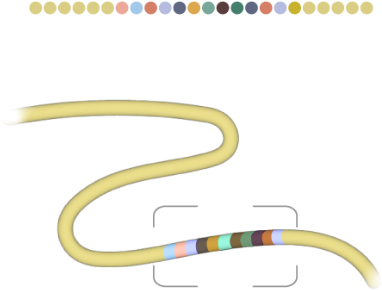 Encodedidentification · addressable
Working on protein dopes, microfluidics or spinning? We'd like to collaborate.
info@impossiblefibers.com